Born to Play Game: A Designer's Review
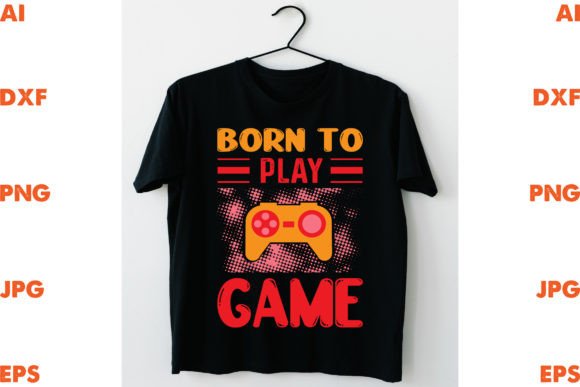
As a professional who has spent years navigating the intersection of digital graphics and physical thread, I approach every new machine embroidery design with a specific set of questions. Does it translate from screen to fabric? Will it hold up after washing? And most importantly, does it add value to the finished product? When I first opened the file for Born to Play Game, I was immediately struck by its bold energy. This is not a subtle motif; it is a statement piece designed to grab attention. The layout suggests a high-energy theme, perfect for custom apparel or playful nursery decor, but as with any large-scale graphic, the devil is in the details when moving from a digital preview to a real-world project.
First Impressions and Visual Impact
The initial view of Born to Play Game reveals a composition that leans heavily into the realm of Graphics rather than traditional delicate needlework. The shape is expansive, and the visual personality is loud and cheerful. In the context of T-Shirt Designs, this kind of imagery works exceptionally well because it mimics the look of screen printing while offering the tactile texture of embroidery. The mood it creates is one of unbridled fun, making it an instant candidate for baby clothes, youth sports gear, or even novelty items for a boutique shop.
However, the description notes a staggering size of 18 feet by 15 feet. For those of us working with standard home or small-business machines, this indicates that the design is likely a scalable vector or a massive raster intended for industrial application or extreme scaling down. If you are planning to use this for a standard tote bag or sweatshirt, you will need to scale it significantly. My advice is to test how the lines hold up when reduced. Sometimes, intricate details in large graphics get lost or merge into muddy patches when shrunk to fit a 5x7 hoop. Before committing to a client order, always create a printable mockup at your intended final size to ensure the clarity remains intact.
Real-World Application: From File to Fabric
Let’s imagine a specific scenario: You are preparing a line of personalized gifts for a local craft fair. You decide to use Born to Play Game on a collection of heavy cotton tote bags. The design fits the "playful" vibe perfectly. However, because the design allows you to edit all elements easily, you have the flexibility to adjust colors to match your brand palette. This is a huge advantage for a craft business owner who needs consistency across their inventory.
When stitching this onto a tote bag, the stitch density becomes a critical factor. Large areas of fill stitch can sometimes make the fabric stiff, which might be undesirable for a soft handbag. If the design relies heavily on solid blocks of color, consider using a lighter weight stabilizer or adjusting the pull compensation in your software. Conversely, if you are applying this to a sweatshirt, the fleece texture will absorb some of the bulk, making the satin stitch and fill stitch blend more naturally. The key is to remember that the fabric texture interacts with the thread. A design that looks crisp on a flat digital screen might appear slightly softer on a textured knit, which can actually add to the charm of a handmade product.
Navigating Challenges in Embroidery Projects
While Born to Play Game is versatile, there are scenarios where caution is required. If you are attempting to use this design on thin fabrics like silk or lightweight linen, the sheer volume of thread required for such a large graphic could cause puckering. Always use a tear-away or cut-away stabilizer appropriate for the fabric weight. Similarly, if you are considering this for a cap, the curved surface might distort the straight lines and angles inherent in the game-themed graphics. Curved surfaces require careful digitizing to prevent registration issues, so unless you have experience with cap hoops, stick to flat surfaces like pillow covers or aprons.
Another consideration is the frequency of washing. Items like kitchen towels or baby bibs undergo rigorous laundering. Ensure that the thread colors you choose are colorfast and that the running stitch outlines are secure enough to withstand agitation. If the design includes tiny lettering or very fine details within the larger graphic, these may become indistinguishable after several washes. It is often better to simplify the design slightly for items that will see heavy wear.
Enhancing Product Value and Brand Trust
For an Etsy seller or a small shop owner, the quality of your embroidered patch or custom apparel directly influences customer trust. Using a high-quality digital embroidery file like Born to Play Game signals professionalism. Customers expect their handmade products to look as good in person as they do in photos. If the stitching is loose, the colors bleed, or the design looks distorted, it reflects poorly on your entire brand.
The ability to edit elements easily means you can tailor the design to specific client requests without starting from scratch. Perhaps a parent wants to change the font style on a baby onesie, or a team wants to swap the color scheme for their group shirts. This flexibility increases the perceived value of your service. Furthermore, when used correctly, this design can elevate a simple white t-shirt into a premium item. The contrast between the clean fabric and the vibrant, textured embroidery creates a visual appeal that mass-produced items simply cannot match.
Practical Notes for Designers and Makers
Before you finalize your next project, keep these practical tips in mind:
- Test on Scrap Fabric: Never skip the test run. Stitch Born to Play Game on a scrap piece of the actual fabric you plan to use. Check for tension issues, thread breaks, or unwanted shadows.
- Check Hoop Size Compatibility: Given the original dimensions mentioned, confirm that your machine can handle the scaled-down version or if you need to split the design into multiple parts.
- Review Color Contrast: Test the design in black and white mockups first to ensure the shapes remain distinct against different background colors. High contrast is essential for readability.
- Inspect Small Details: Zoom in on the digital file to check for overly dense areas that might trap lint or cause thread bunching.
- Verify Licensing: While the description states you receive a ZIP folder with editable elements, always confirm the license terms before selling finished items or reselling the embroidery file itself.
In conclusion, Born to Play Game offers a robust foundation for creative entrepreneurs looking to expand their catalog of commercial embroidery assets. Its bold nature makes it ideal for statement pieces, provided you take the time to adapt it correctly for your specific materials. Whether you are creating holiday gifts, nursery decor, or branded merchandise, this design has the potential to stand out—if you treat it with the care and technical precision it deserves. By understanding its strengths and limitations, you can turn a simple graphic into a high-value, cherished handmade product.